The First of the few (1942)
The story is told in flashback during the Battle of Britain, as RAF Squadron Leader Geoffrey Crisp recounts the life and work of R.J. Mitchell, chief designer at Supermarine. The narrative begins in 1922, when Mitchell becomes fascinated by the idea of a new kind of aircraft—sleek, streamlined, and free of the drag‑inducing struts and wires of earlier designs. His vision finds its proving ground in the Schneider Trophy, an international seaplane speed competition.
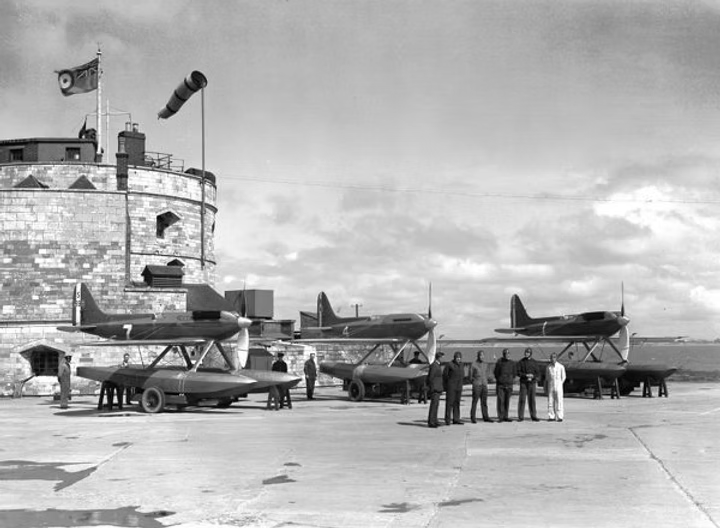
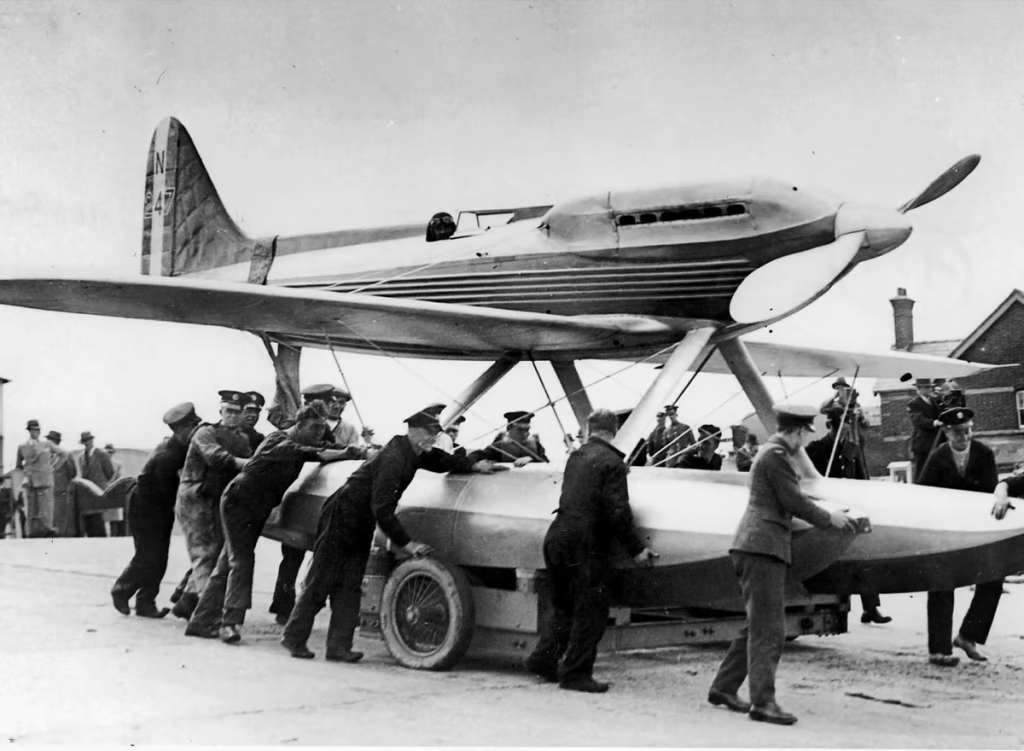
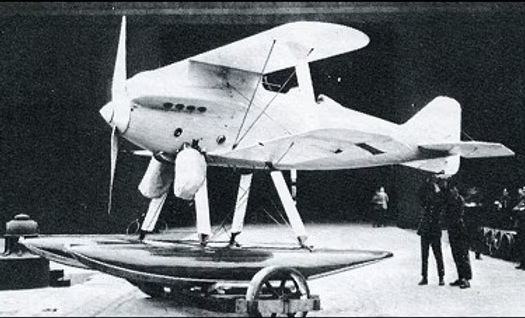
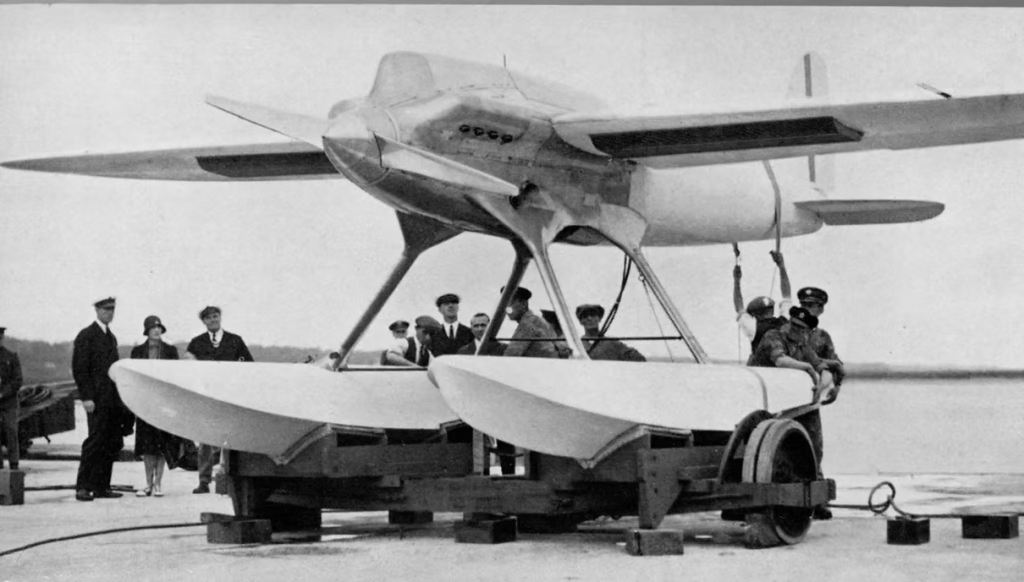
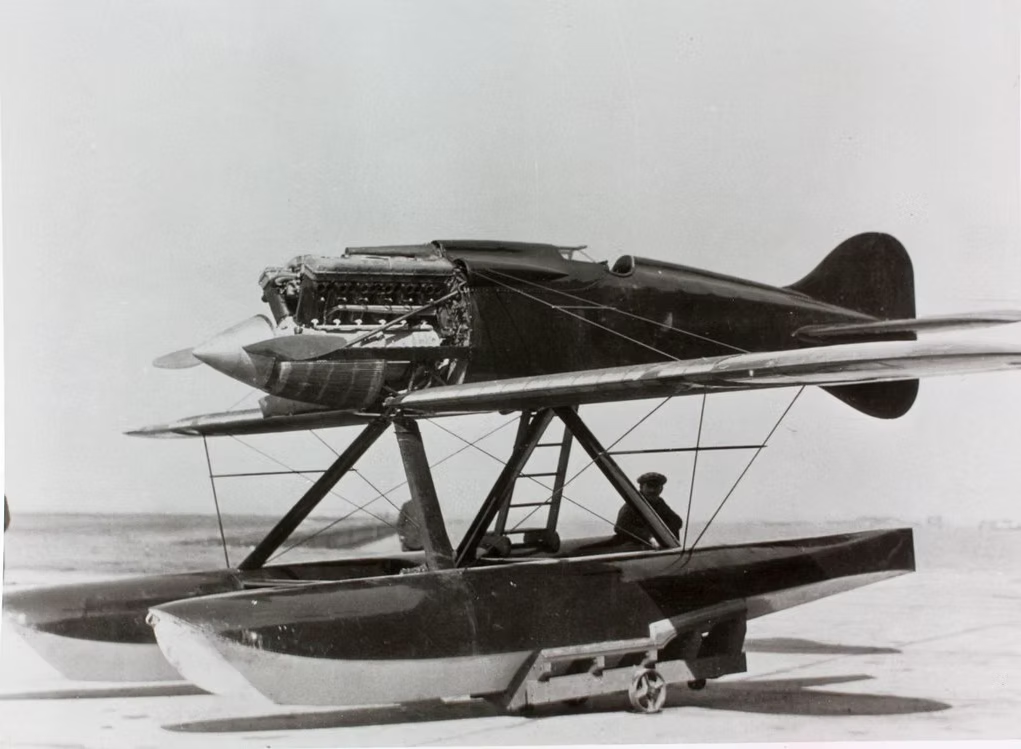
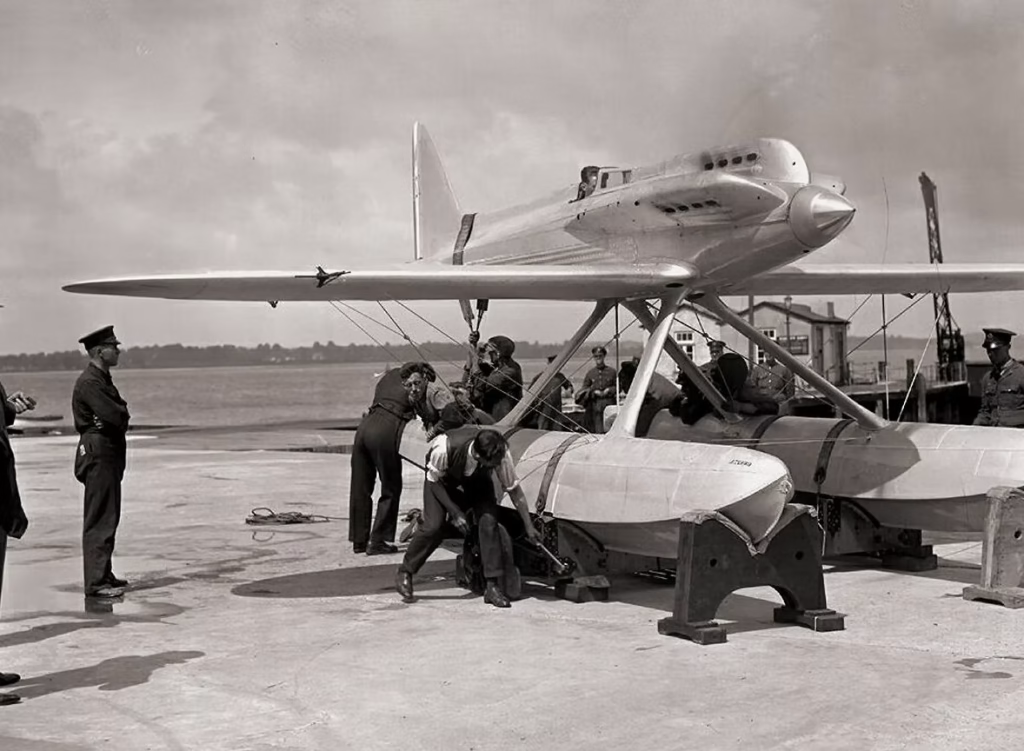
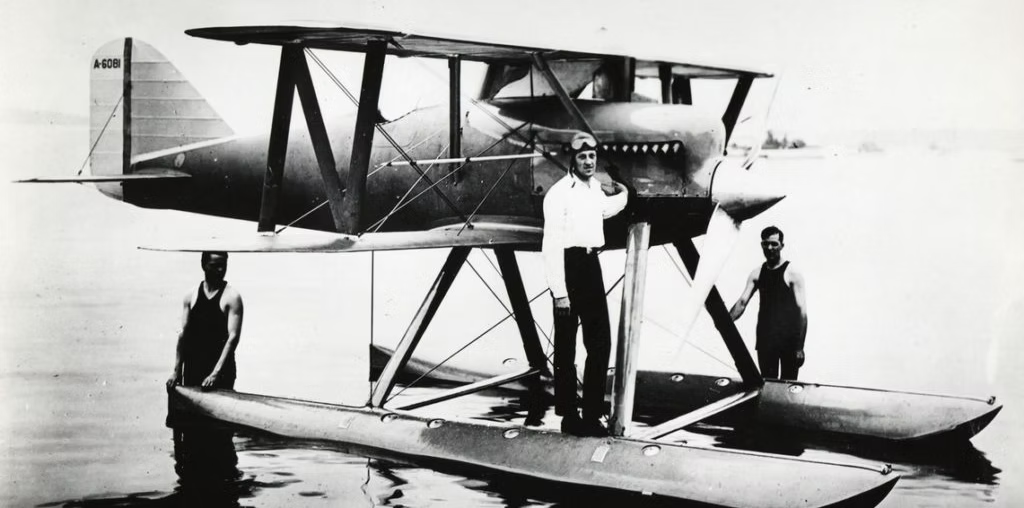
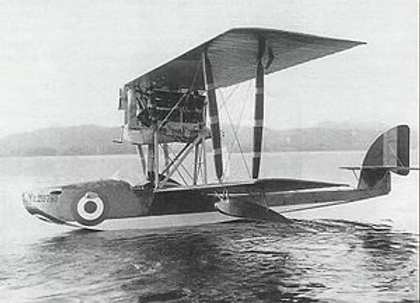
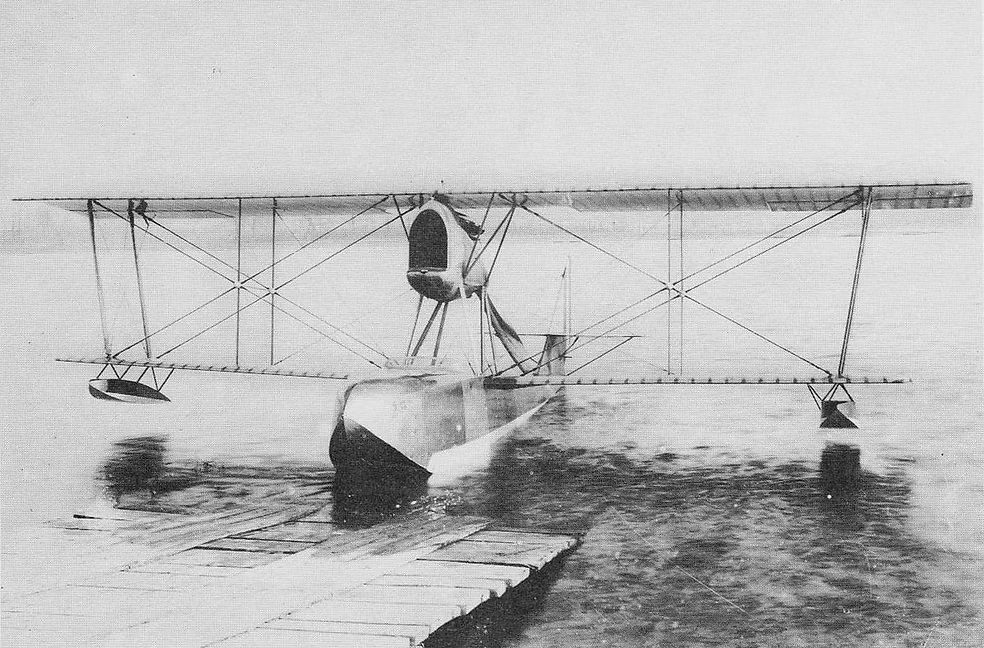
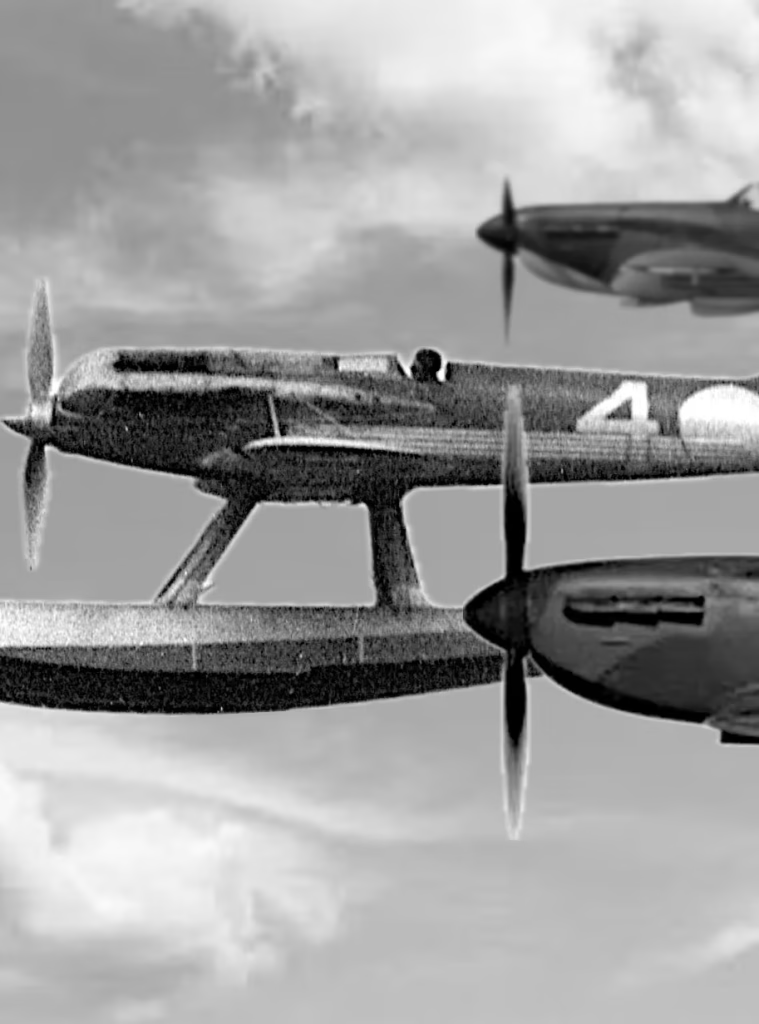
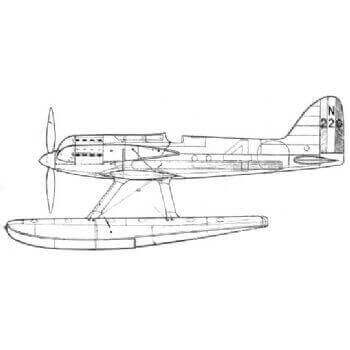
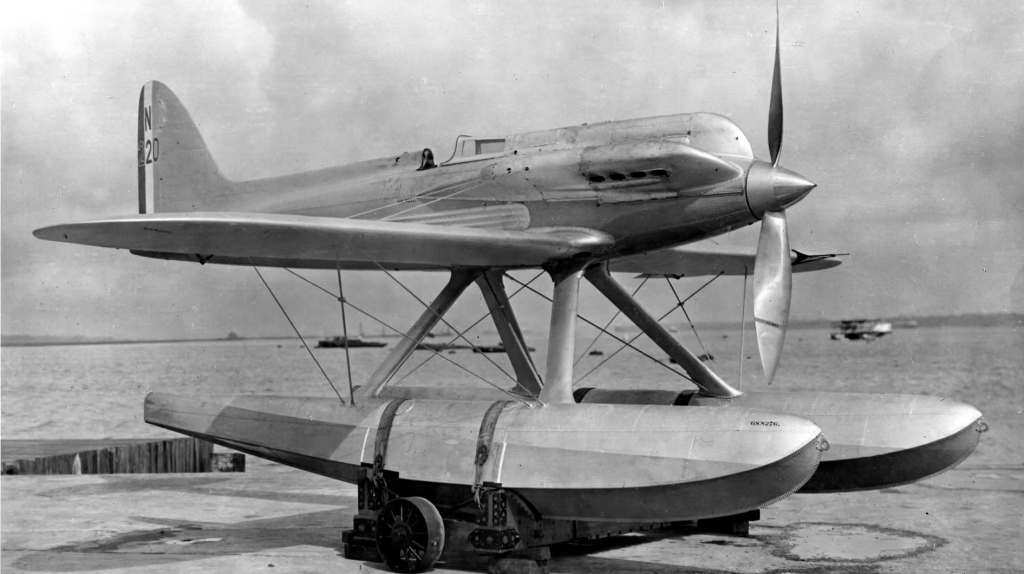
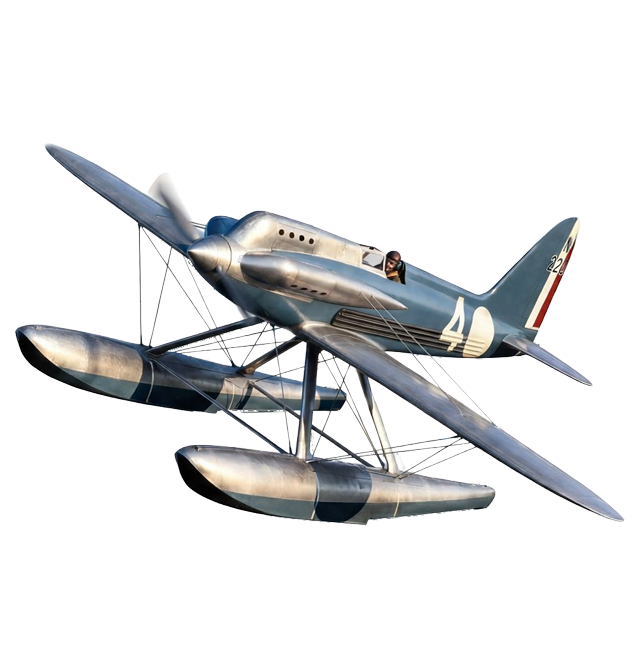
The Supermarine Seaplanes: A Crucial Turning Point The film places extraordinary emphasis on Mitchell’s pioneering Supermarine seaplane racers, portraying them not as side projects but as the essential technological stepping stones toward the Spitfire. These include the Supermarine S.4, S.5, and S.6, all of which appear in the film through models or archive footage
1925 Schneider Trophy: Mitchell’s new Supermarine design performs brilliantly but crashes due to pilot blackout, not design failure—reinforcing the aircraft’s sound engineering.
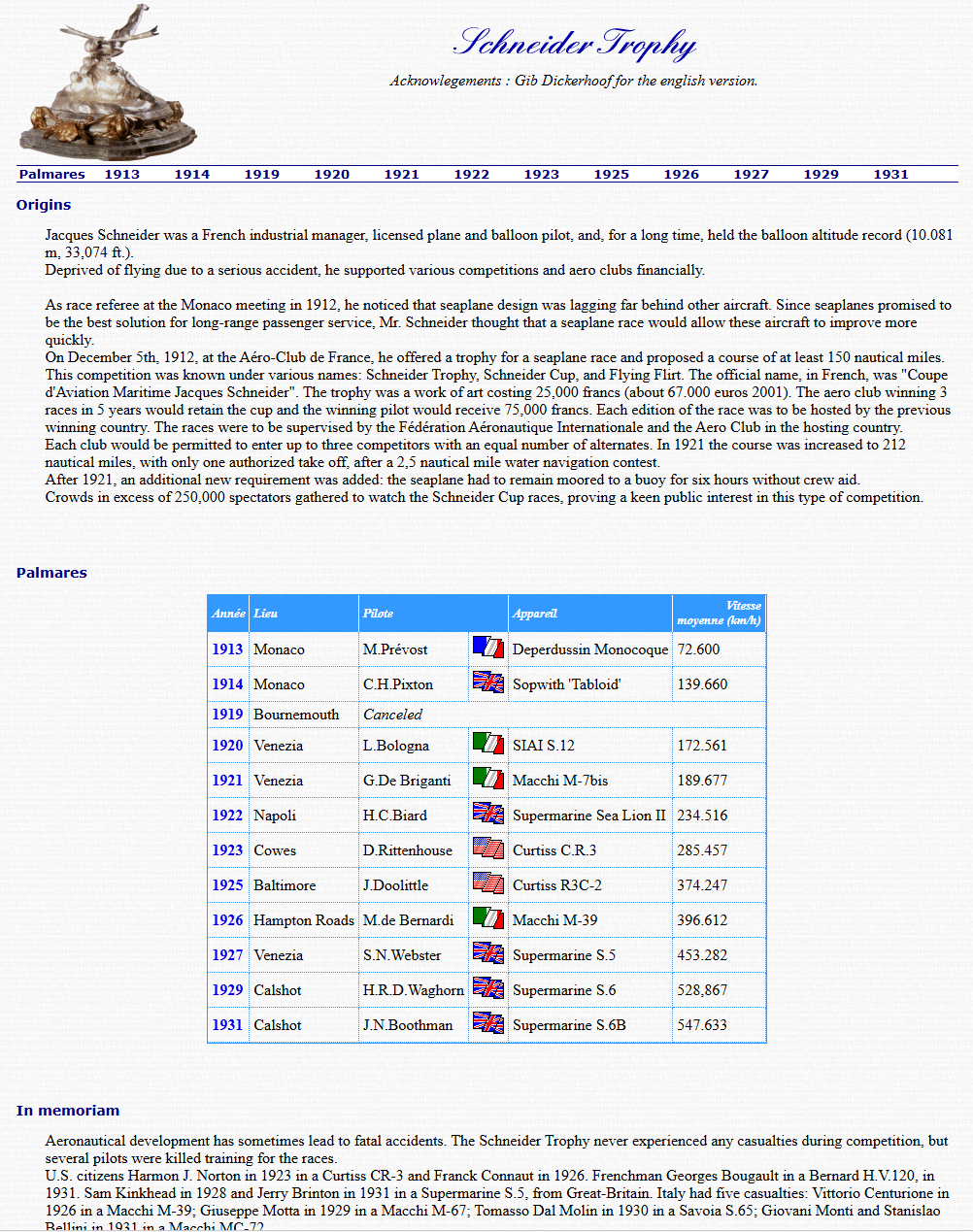
1927 Victory: The Supermarine S.5 wins the Trophy, setting a new speed record and establishing Britain as a leader in high‑speed aerodynamics.
1929 Triumph: Mitchell’s team wins again with the S.6, bringing Britain within reach of permanently securing the Trophy. Funding is nearly withdrawn until Lady Houston personally finances the final push.
These victories were historically significant: the Schneider Trophy races forced rapid innovation in streamlining, engine cooling, and lightweight construction—technologies that directly informed the later Spitfire.
The Supermarine Seaplanes: A Crucial Turning Point The film places extraordinary emphasis on Mitchell’s pioneering Supermarine seaplane racers, portraying them not as side projects but as the essential technological stepping stones toward the Spitfire. These include the Supermarine S.4, S.5, and S.6, all of which appear in the film through models or archive footage
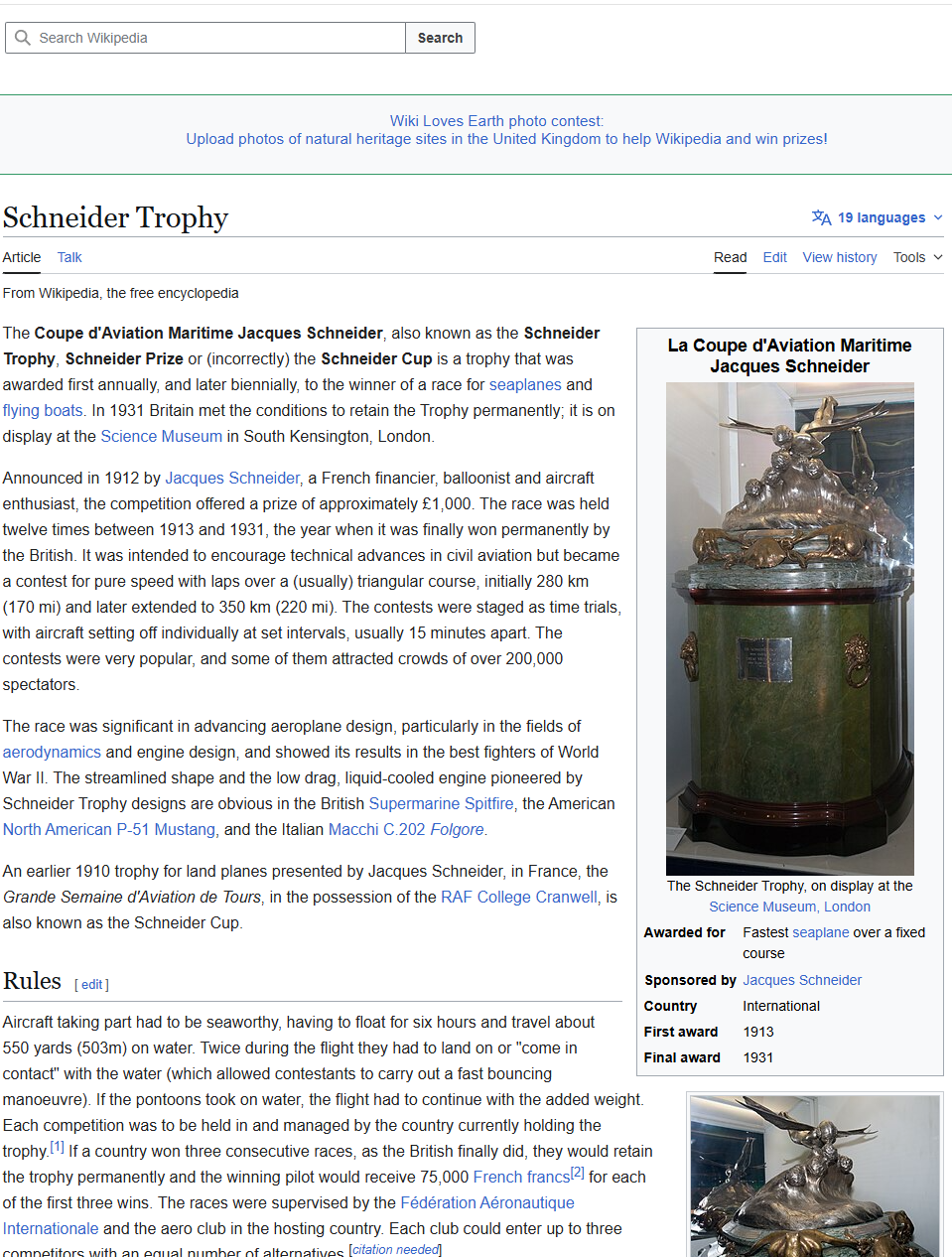
The S5 - Rotate with mouse & use Wheel to Zoom in
Books
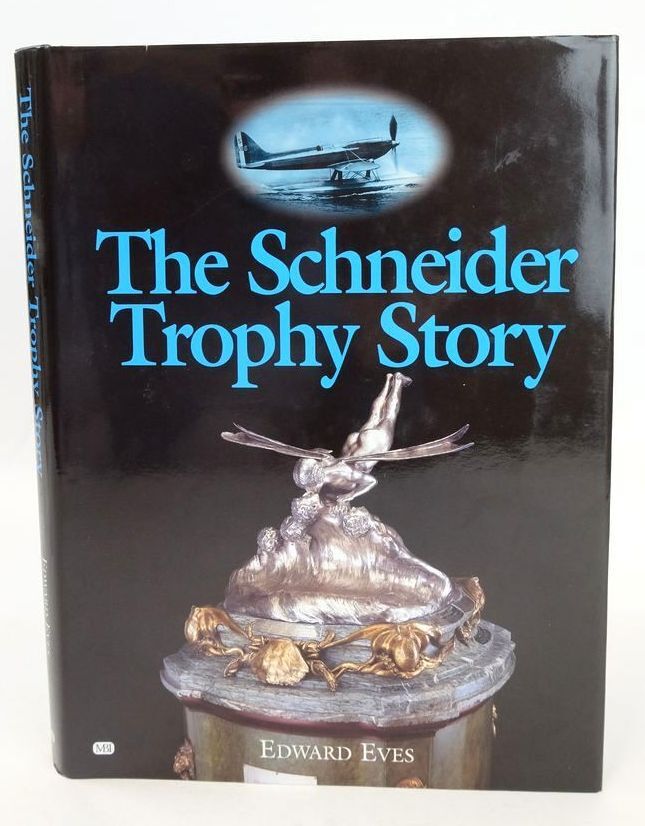
The Schneider Trophy Story
Attracting entries from the U.S., Great Britain, France, and Italy, the Schneider Trophy fostered a rapid advance in aviation technology. This book devotes an entire chapter to each of the 12 races, with details of pre-race planning, navigation and seaworthiness trials, the race itself, and, of course, aircraft designs and engines.
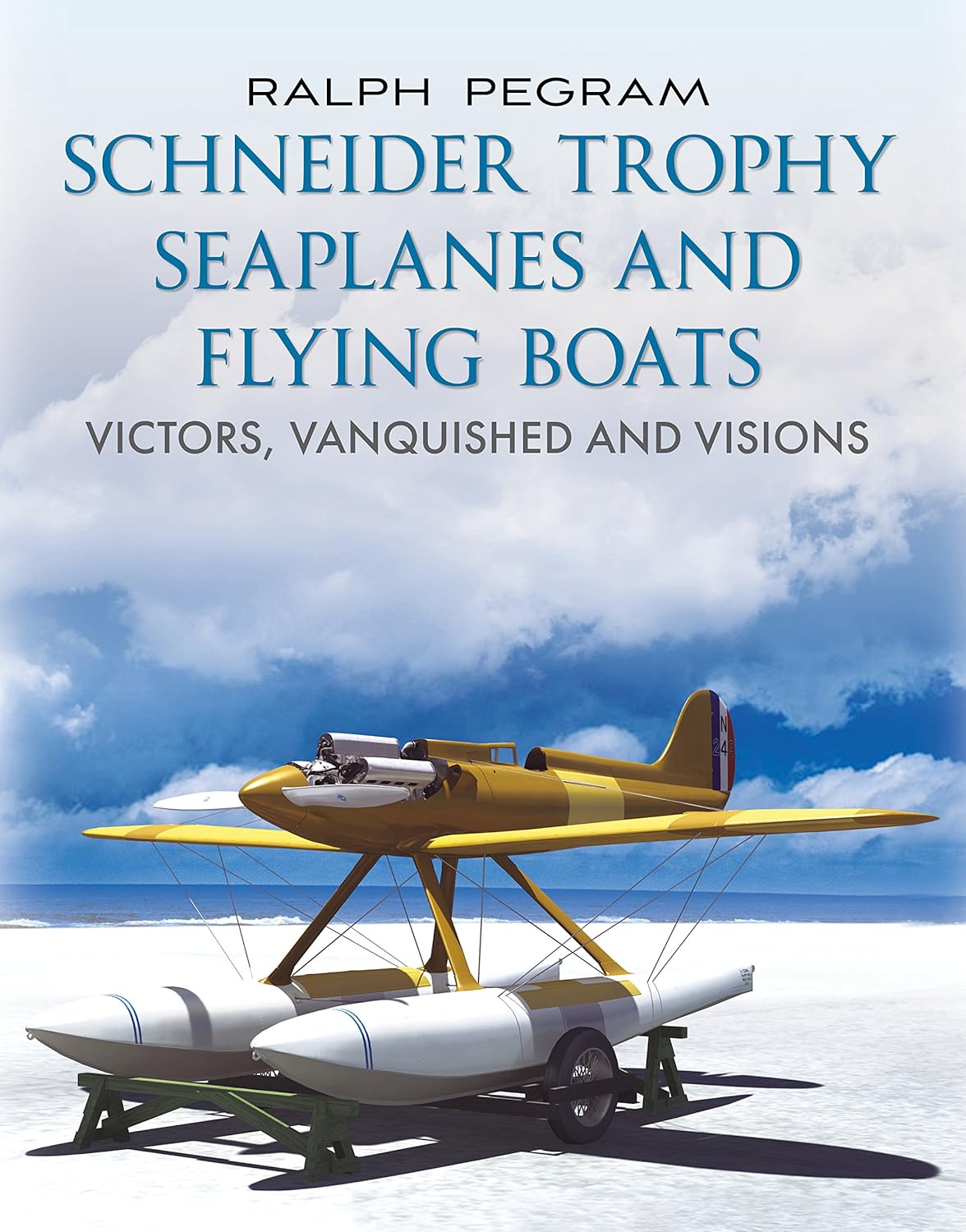
Schneider Trophy Seaplanes and Flying Boats: Victors, Vanquished and Visions
Established by French financier and aviation enthusiast, Jacques Schneider, in 1912, the Coupe d'Aviation Maritime Jacques Schneider (commonly called the Schneider Trophy) was the catalyst behind the rapid progression of the maritime aviation industry. The annual race along a triangular course of 280 km (later 350 km) attracted crowds of up to 200,000 and quickly became the subject of commercial rivalries and national pride. It instigated a thirst for pioneering design in aviation that eventually led to the development of such aircraft as the British Supermarine Spitfire.
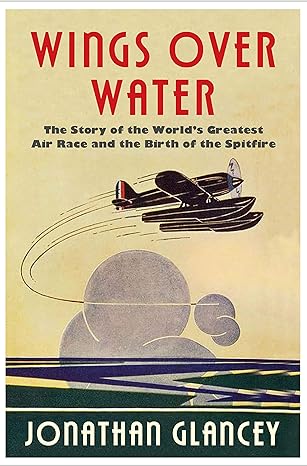
Wings Over Water: The Story of the World’s Greatest Air Race and the Birth of the Spitfire
Announced in 1912, the Schneider Trophy was a series of glamorous air contests, popularly known as races, that captivated both sides of the Atlantic. While there were many other aviation competitions, the Schneider proved to be, after a rocky start, by far the most memorable attracting a hugely popular and glamorous following whether Trophy races were held in Monaco, the Venice Lido, the Solent or Chesapeake Bay.
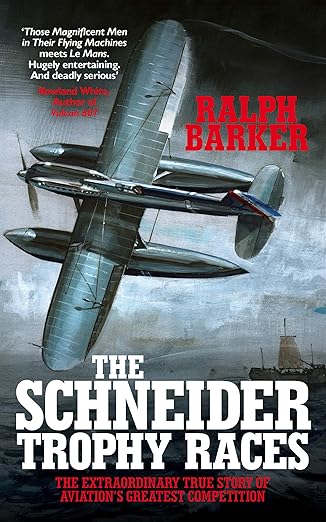
The Schneider Trophy Races: The Extraordinary True Story of Aviation's Greatest Competition
THE EXTRAORDINARY TRUE STORY OF AVIATION’S GREATEST COMPETITION
‘Those Magnificent Men in Their Flying Machines meets Le Mans. Hugely entertaining. And deadly serious’ Rowland White
It was the greatest international competition of its day – a thrilling, globe-trotting, high speed air racing series that married cutting-edge technology with astonishing skill, bravery and danger.
‘Those Magnificent Men in Their Flying Machines meets Le Mans. Hugely entertaining. And deadly serious’ Rowland White
It was the greatest international competition of its day – a thrilling, globe-trotting, high speed air racing series that married cutting-edge technology with astonishing skill, bravery and danger.

Reminiscences of a Schneider Trophy Pilot by Group Capt. L.S. Snaith
Member of the victorious 1931 Schneider Trophy team, Group Capt. L.S. Snaith, gives a historical background to the Schneider Trophy races before he gives his personal insights into the last trophy race and the handling characteristics of the victorious Supermarine S6A & S6B.
The recording was produced by Martin Snaith and was edited by Mike Stanberry FRAeS.
Transforming the Skies: Pilots, Planes and Politics in British Aviation 1919-1940
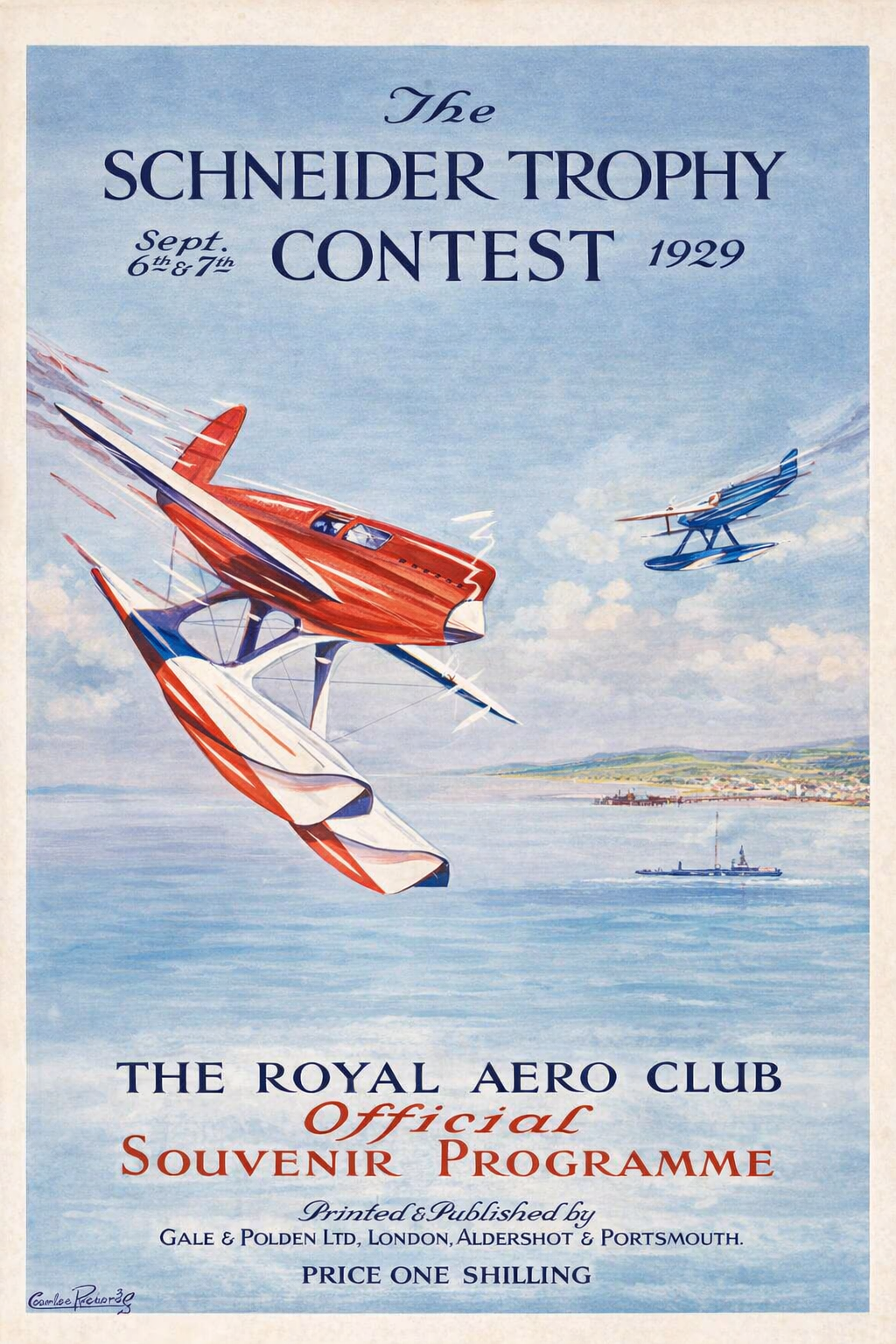
In this lecture, Reese describes the excitement of Alcock and Brown’s non-stop flight across the Atlantic, the Smith brothers’ flight to Australia and Alan Cobham travelling circus that bringing aviation to the British people and the mushrooming air transport industry. He then explores Britain’s triumphs in the he Schneider Trophy contests and how that technology prepared for the emergence of powerful fighter aircraft; with war clouds gathering strategic restructuring takes place and new leaders emerge to meet the German challenge.
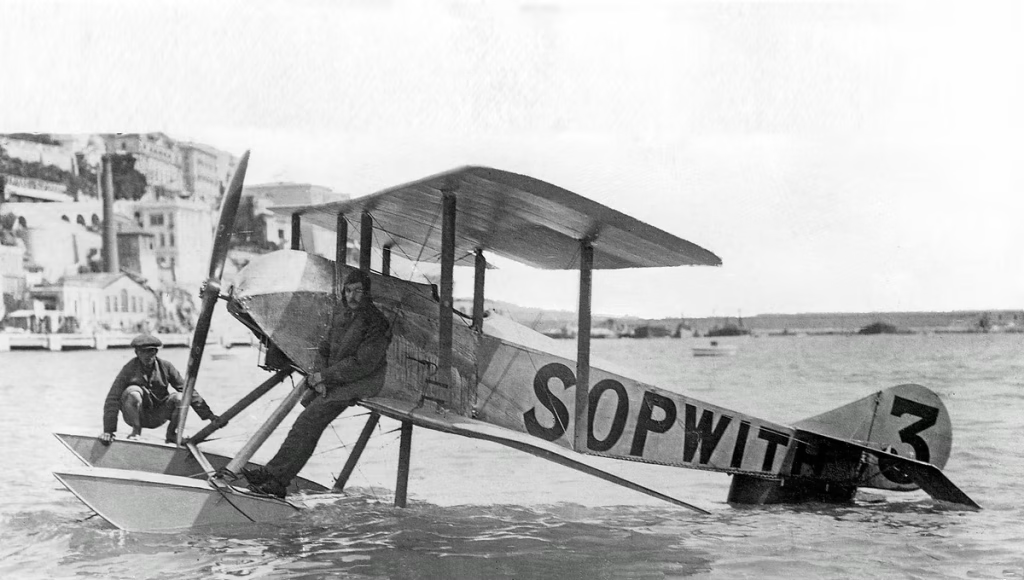
Britain's First Schneider Trophy Winner
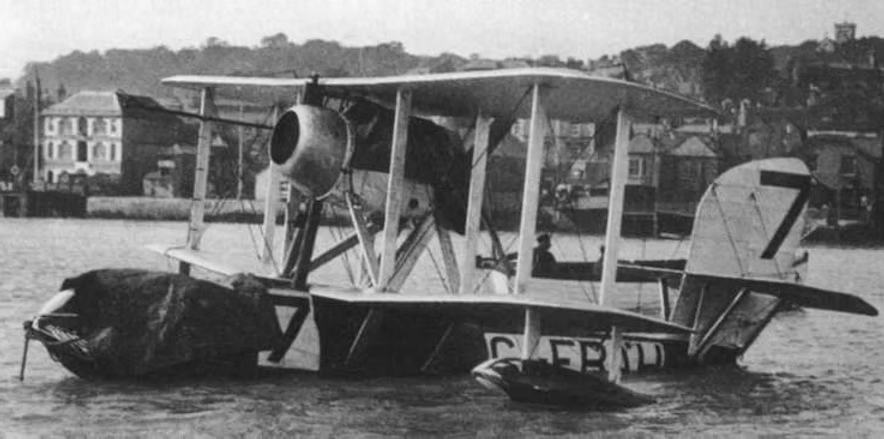
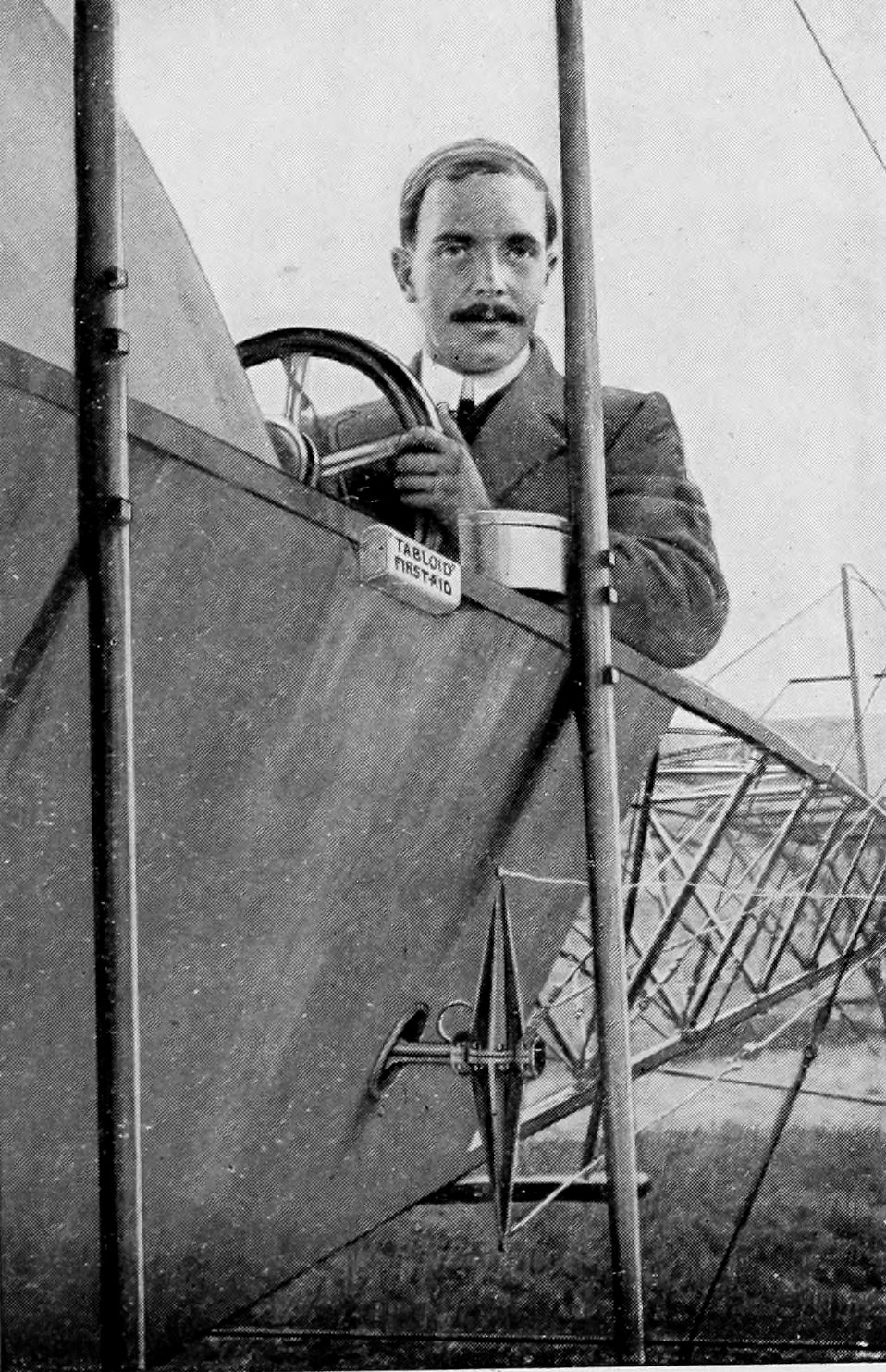
in 1910, Cecil Howard Pixton established himself as a leading British pioneer aviator. He will forever be remembered as the first pilot to win the Schneider Trophy seaplane race for the Great Britain, which he did a century ago, on 20 April 1914, flying a Sopwith Tabloid. As well as describing that event, Philip Jarrett surveys his early flying with Avro, Bristol and Sopwith, and also looks briefly at his First World War career and his subsequent continued involvement in aviation.